

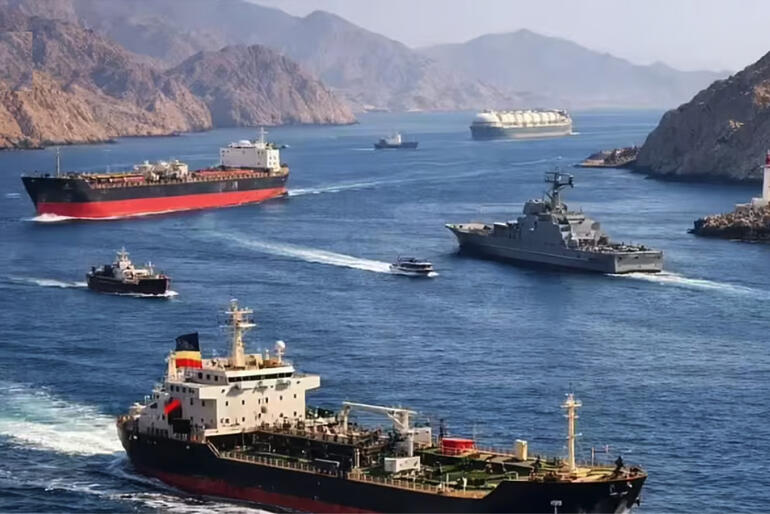
With Iran's attacks on shipping in the Hormuz Strait effectively halting traffic through its route that carries 20% of the world’s oil supply, Christian aid agencies led and co-led by the Anglican Church in Aotearoa, New Zealand and Polynesia are watching fuel and shipping costs with different eyes.
As wealthier countries turn to oil stockpiles and look to save on fuels with renewable energy, global aid agencies are warning that rising transport costs and supply chain breakdowns are slowing and limiting deliveries of food, medicine and emergency relief to vulnerable people in disaster-prone and conflict-affected regions.
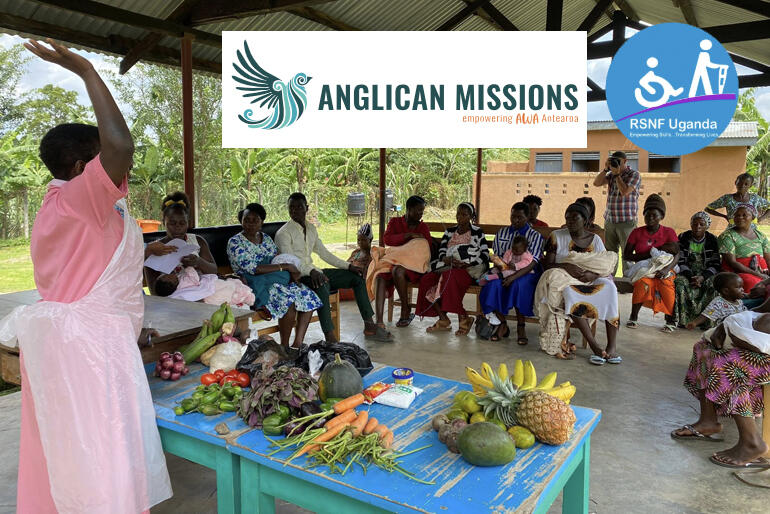
Anglican Missions' Humanitarian and Development Manager Mark Mitchell reports the global crisis is hitting home in Africa where this week he is visiting development partners Rwensori Special Needs Foundation (Uganda) and Bricks for Life (Ethiopia).
"Both here in Africa and in Asia and the Pacific, the pressure of rising fuel costs are feeding through into higher transport costs, increased prices in local markets, and the cost of inputs like fertiliser."
Malcolm Sproull from Christian World Service agrees, saying that while every country is feeling the oil crisis, those with fewer resources can take up to ten times longer to bounce back.
"What might take months before a country like New Zealand is back to business as usual, in the developing nations the same event could take years to recover from."
Farming is directly affected by bombing in and by Iran, with 30% of the world's fertiliser supplies usually shipped through the Strait of Hormuz.
Anglican Missions' Mark Mitchell said African households are losing vital support, because millions of people depend on remittances from family members working in the Gulf states. These payments outweigh all the overseas aid in the continent. So as conflict has shuttered businesses in the Middle East, it cuts back on a regular a financial lifeline for many families.
Christian World Service Director Tim Pratt says that for now the strongest impact reported by their partners is in the Middle East itself, for example in Lebanon, where church partners are working to provide essentials for the millions of people displaced by Israel bombing cities in southern Lebanon.
Support for people on the ground in the Middle East is still getting through to those in need via the CWS Middle East Emergency Appeal and the Anglican Missions' Hope for the Holy Land Appeal.
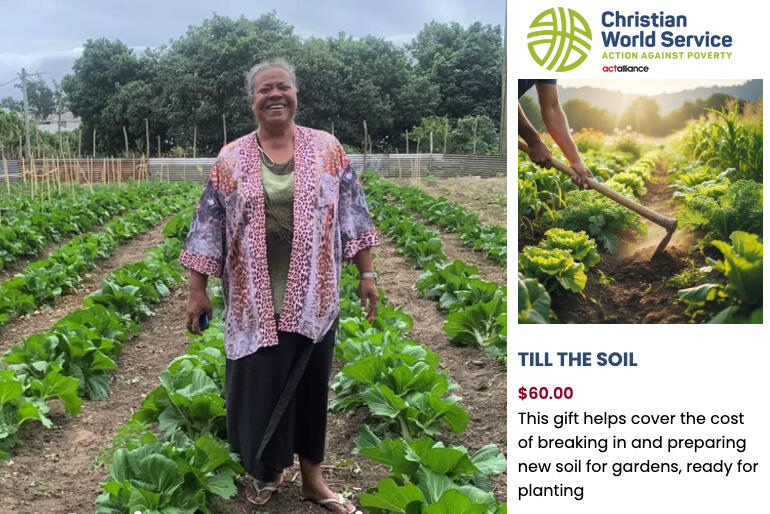
In the Anglican Diocese of Polynesia global economic shocks are being held off due to both traditional and new agricultural techniques that are taught and used by churches, schools and training institutes. Six years ago, the late Archbishop Fereimi Cama called on the Diocese to develop new gardens and plantations, and committed to prioritise food resilience to counter the impact of climate change and limit reliance on volatile global economies.
Today, the strategy of churches planting and cultivating local food sources that began during Covid, and continued in the Hunga Tonga-Hunga Ha'apai volcano response, are supported by Archbishop Sione Ulu'ilakepa as a diocesan-wide resilience strategy.
This Lent, Anglican Missions is supporting local food security and disaster resilience programmes through the Anglican Churches in Polynesia, Papua New Guinea, the Solomon Islands, and Vanuatu through the Partners in Resilience and Response programme. Food security is also part of Anglican Missions' partners' work in the Amhara region of Ethiopia (Bricks for Life), and the Kabarole District of Uganda (Rwensori Special Needs Foundation).Donate to the Anglican Missions' Lent Appeal here.
Christian World Service is supporting food security through the 'Strengthening Community Resilience in Tonga' project and through food security projects across Asia and Africa which supporters can give as gifts through the Gifted website, such as water tanks, gardening tools, fruit trees, seeds and seedlings.









Comments
Log in or create a user account to comment.