

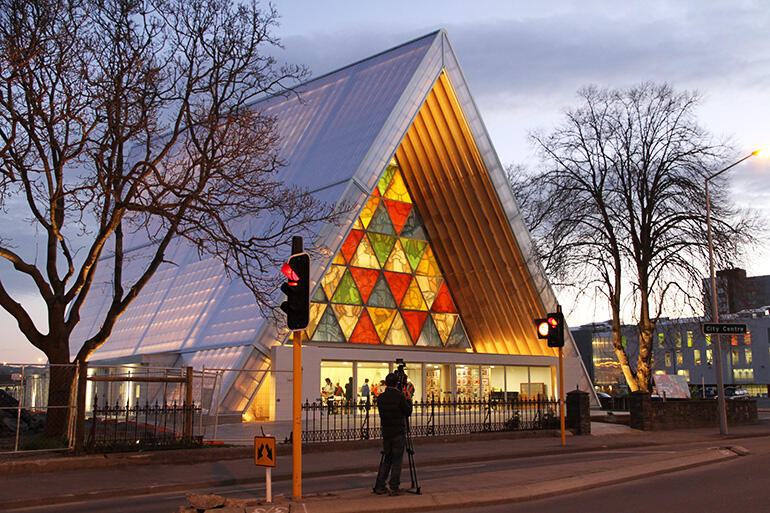
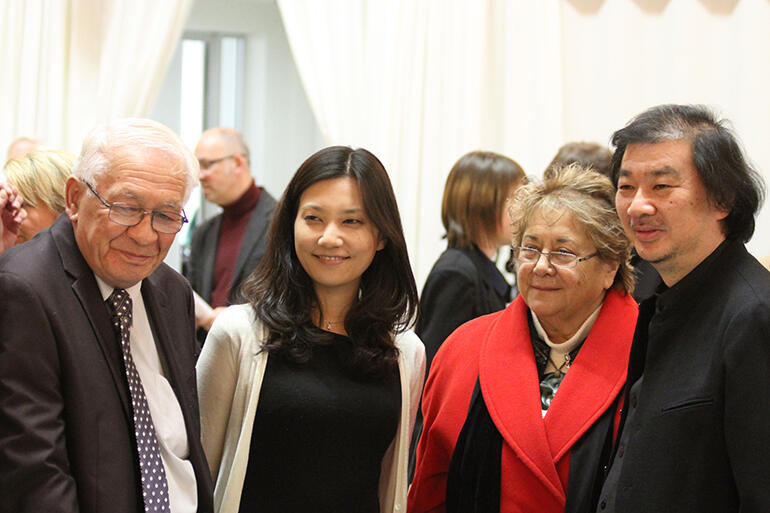

Christchurch’s new Transitional Anglican Cathedral is now officially launched.
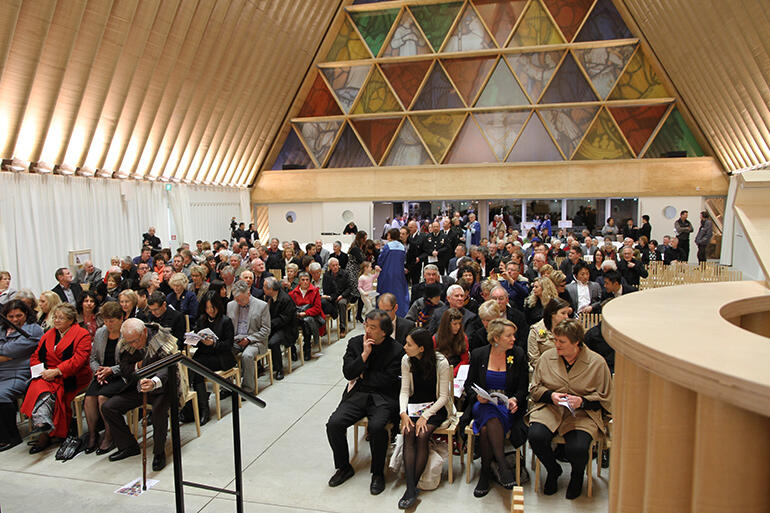
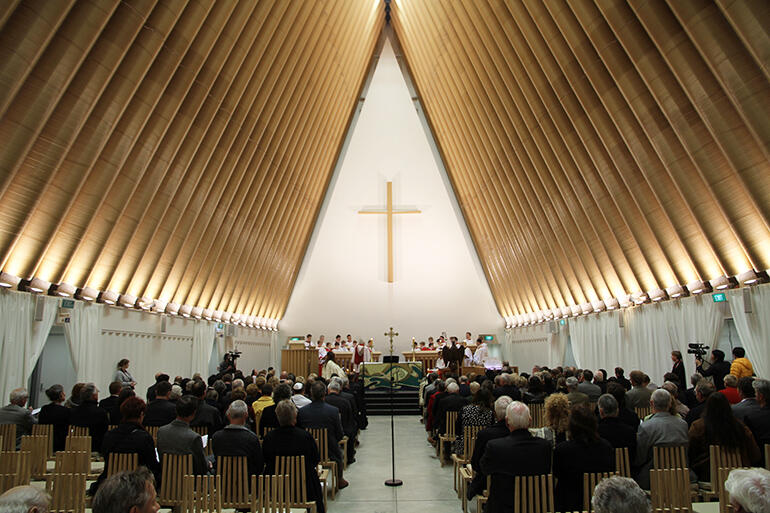
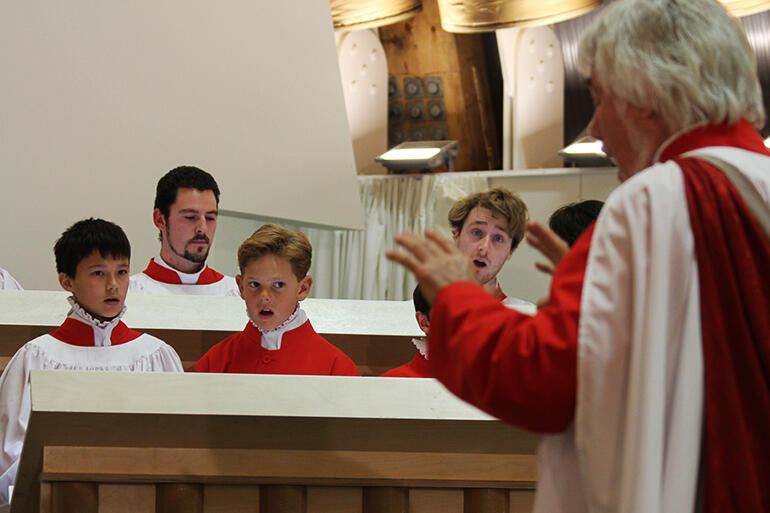
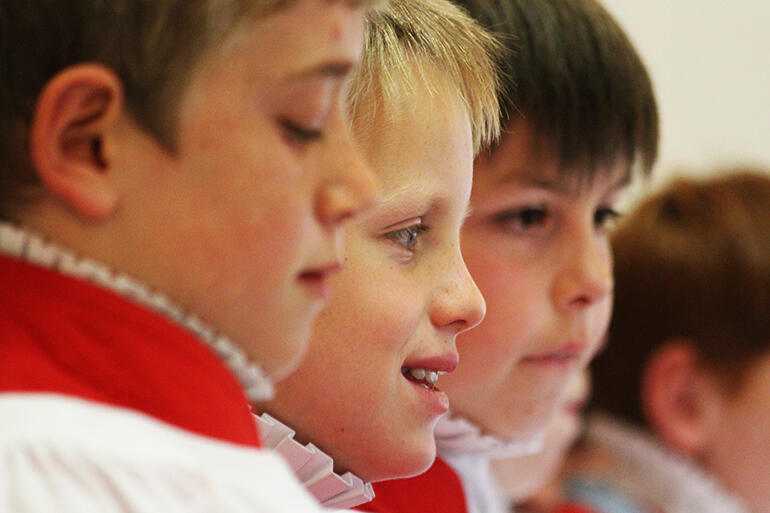
The cathedral community held an opening service of thanksgiving on Sunday evening to mark that launch – a service attended by various city fathers and mothers, architects, contractors and well-wishers from other Garden City churches and faith groups.
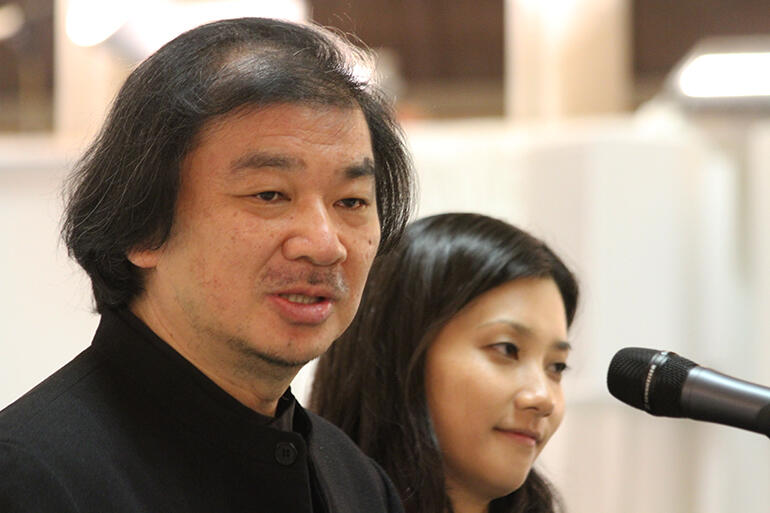
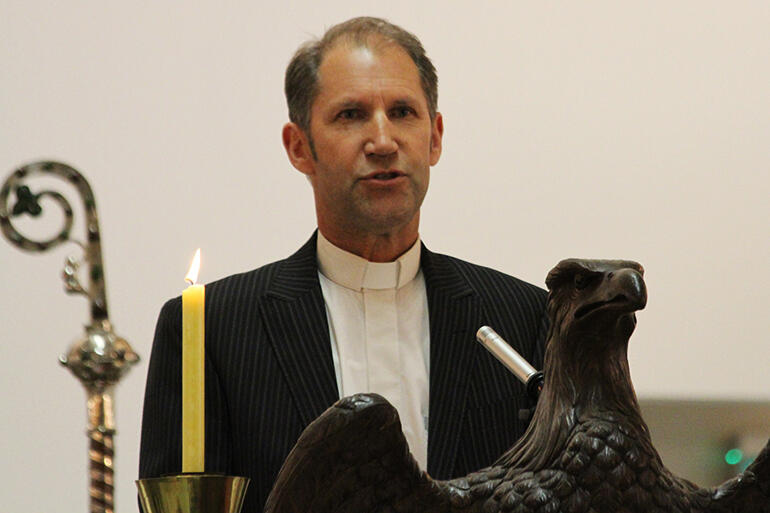
And Shigeru Ban, the world-ranking Japanese architect who, by virtue of his generosity and design genius made it happen, told that gathering of his pride in what had been achieved.
The Transitional Cathedral was, he said, was one of the most successful architectural projects he’d ever been involved with – and he’s done plenty.
For the last 15 years he’s made a habit of moving from one international disaster zone to the next, giving his architectural skills for free, helping cities to rebuild quickly – either with temporary housing, or with iconic projects like the Transitional Cathedral.
In fact, he’s made his name for the design and construction of buildings that were only ever intended to be temporary – such as the small cardboard church in Kobe, Japan, which he had designed in 1995 after an earthquake had devastated that city.
The purpose of that Kobe church was to provide a home for its congregation for three years.
But the congregation loved that building, he said, and kept it for ten years.
It became so well-known, in fact, that that’s how the Transitional Cathedral had come to be. Craig Dixon, the former Events Manager at the Christchurch cathedral, had spotted a photograph of it in an architectural magazine.
And that’s what spurred him to put out feelers in Shigeru Ban’s direction.
But that’s another story.
And the point now is, Shigeru told the service on Sunday evening, that all that work in disaster zones has caused him to rethink the distinction between ‘temporary’ and ‘permanent’.
“Even if a building is made of concrete,” he said, “this can be destroyed in an earthquake.
“But if people love a building that is made of paper, it can become permanent.
“The key is love.
“Whether people love the building or not will determine how long it stays.
“I hope this building will be loved by the people – and that it will continue here for many years.”
He noted, too, that the Japanese word for paper, kami, is also the Japanese word for God.
And as he gestured to the 98 cardboard columns of the Cathedral, he acknowledged that this was, indeed, “A house of God”.
'A PLACE OF SAFETY'
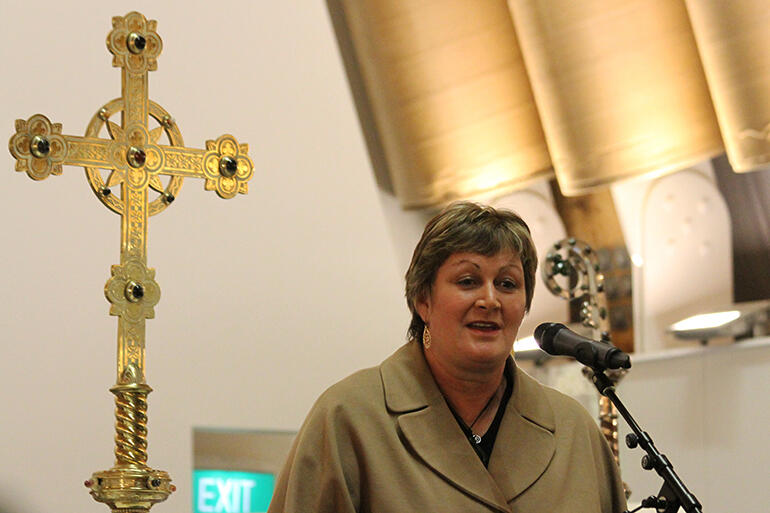
The second invited speaker was Ngaire Button, the city’s deputy mayor.
Sunday had come at the end of a big week for Christchurch, she said.
The council had considered the fate of the city’s stricken town hall – which she dubbed “The City’s Living Room, the place where we entertain our guests, and enjoy each other’s company.”
The council had also considered the fate of Hagley Oval, by Hagley Park, which was, she said, “Our Front Garden”.
And when Acting Dean Lynda Patterson had asked her to speak at the service, she pondered how she would describe the cathedral.
And her mind went to the passage in Matthew 6 where Jesus is teaching his disciples how to pray: “When you pray,” He said, “Go into your room”.
Or, if she put it another way, “Go into your Sacred Place.”
“And I thought: ‘That’s what this cathedral is like to us in this city.
“It’s like Our Sacred Place. The place where we can feel safe, the place where all of us can restore our equilibrium.”
Ngaire said the city continued to toil to rebuild broken streets and infrastructure.
“But there’s a spiritual aspect to recovery, too. It’s more important, really, than just about any other aspect of recovery. Because it restores our soul.”
She said that she knew diocese had agonised over whether to build the transitional cathedral, and whether or not to restore the old Gothic Revival cathedral in the Square.
“But tonight,” she said, “this is a good thing.
“I think it’s a wonderful thing, and a big step in our recovery.”
LET’S WRITE THAT BOOK TOGETHER
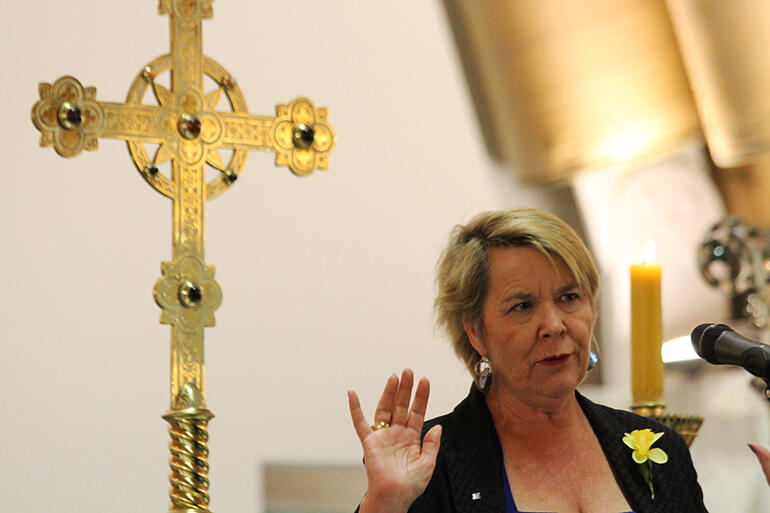
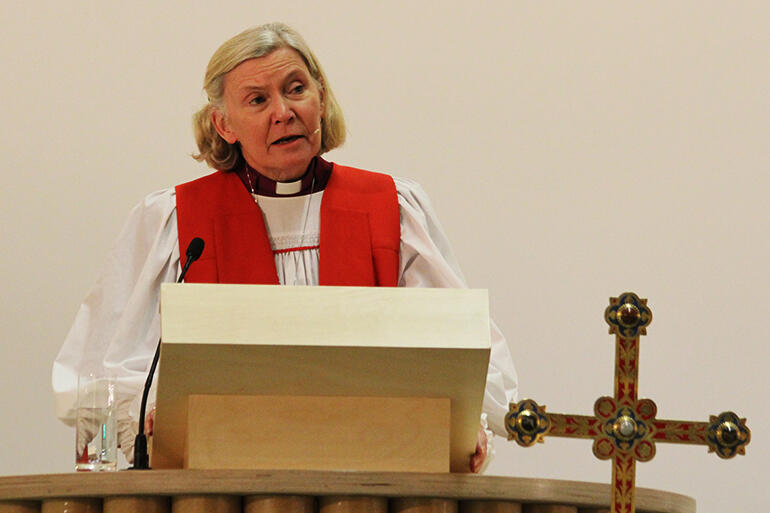
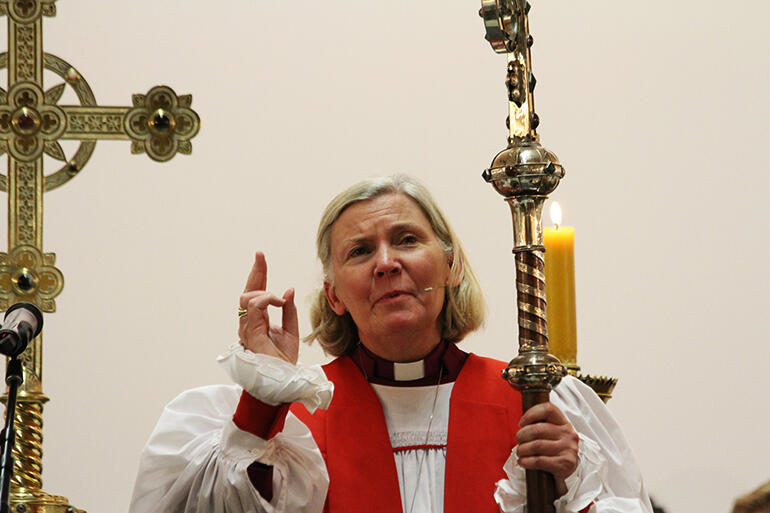
Bishop Victoria began her sermon with a wry tale.
She spoke of being the beneficiary of a lucky find at last week’s Upper Riccarton-Yaldhurst parish jumble sale.
Just before the doors opened the parish vicar, John Sheaf, had made a beeline for her, and thrust a worn paperback novel in her hand:
The novel is Cathedral, by Nelson de Mille.
Subtitled: “The epic siege novel of our time”.
A machine-gun-toting terrorist adorns the cover of that book.
Bishop Victoria smiled as she recounted that tale – and suggested that the only thing missing was the sequel.
“With the completion of the Transitional Cathedral, the first volume has clearly reached its completion…
“What a sign of hope and encouragement (it is) to the city. Tonight is a time to give thanks to God: Father, Son and Holy Spirit.”
She then went on to reflect on why the new cathedral is so important to the whole city and region, and then to suggest “why we must not be satisfied, in any way, yet.”
“First of all, this Cathedral is important because it is beautiful.
“In a city that is full of detours and demolished buildings; vacant lots and construction sites, beauty is incredibly important.”
Beauty, she said, also reminds us that “whatever we achieve, it is but a step on the journey to a new heaven and a new earth, our final destiny.”
“Secondly, this Cathedral is a house of God. Cities need houses of prayer and places of worship least we ever think we are all there is to life.
“Thirdly, the Transitional Cathedral is clearly situated at the centre of the broken heart of this city.”
“I do think people need to be reminded of hope, faith and love, and that is what this Cathedral does.”
But she also spoke of what the Cathedral cannot achieve.
It cannot repair the broken homes on the east side of Christchurch – and she asked each person present to do whatever they could “to speed the repairs and response to those who live in such compromised communities.
“Secondly, this Cathedral alone cannot make us into the people God in Christ calls us to be…
“And finally, this Cathedral cannot single-handedly eradicate the culture of blame that seems to have reached epic proportions in this city.
“So please, let us commit to building up, and not tearing down, the lives of the leaders and citizens of our home town.
“Instead, let’s us cultivate a garden of gratitude, and toil for a harvest of deep respect, care of neighbour, and vibrant communities.
“That’s a calling worthy of a second volume called: Cathedral – the true story of a city named Christchurch.
“Let’s write that book together.”











Comments
Log in or create a user account to comment.