
The Anglican Church has refocused its canons that govern ministry standards and the Church's response to unsatisfactory conduct and misconduct (in Title D Canons I and III). The ministry standards canons under Title D Canon III have now been reshaped under the guiding principle of "fitness to minister".
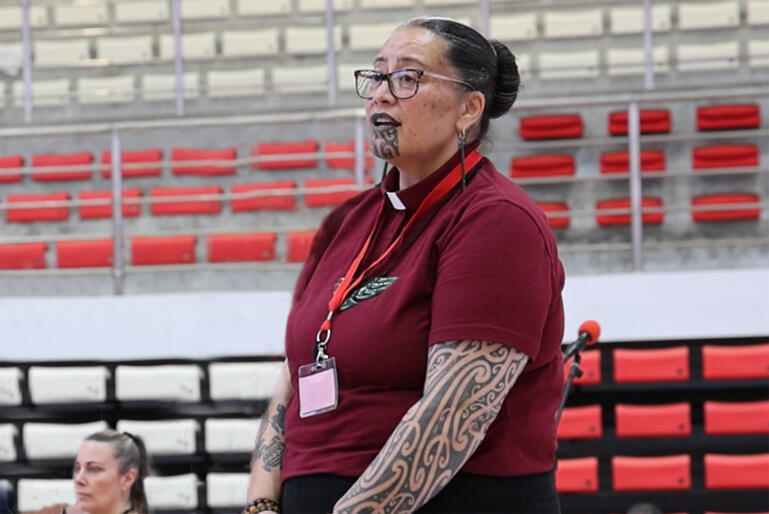
Introducing Bill 11, Bishop of Te Hui Amorangi ki te Waipounamu, Pīhopa Susan Wallace emphasised that its changes are informed by the experience of all those involved in the Church's work with complaints under the existing Canon. These have included complainants, survivor advocates, trauma specialists, legal advisers, and members of judicial and appeals tribunals.
Changes to the process for triaging unsatisfactory conduct have come from Ministry Standards Commissioners whose registrars have seen many complaints over the last six years, which while important to address, have not warranted the legal investigative response required for all cases under the previous form of Title D.
In a new preamble to Title D Canon III the ministry standards canon now explains:
"The central question under this Title is whether the conduct complained of, considered in light of its nature, gravity, and any pattern of behaviour, raises concerns as to the respondent’s fitness for ongoing ministry. This question informs every stage of the disciplinary process, from the initial assessment of a complaint through to its final determination."
Now complaints against any Anglican clergyperson, lay leader or office bearer that alleges conduct below the highest possible standards, but which does not call into question fitness for ministry, will be returned to bishops more swiftly to be addressed pastorally and locally, and face a limitation period of one year.
However, all complaints of misconduct, which includes any kind of physical, sexual or spiritual abuse, will continue to proceed through to a Ministry Standards Commission investigation. Complaints of misconduct are not subject to any limitation period. As Bill 11's revised Title D Canon III preamble states:
"Nothing in this Title diminishes this Church’s commitment to the rigorous and independent investigation of all allegations of misconduct. Misconduct, as defined in Canon I, will always be treated as raising concerns as to fitness to minister and will be subject to the full disciplinary processes under this Title."
"No person who has experienced harm is required to participate in any reconciliation process or to offer forgiveness. The agency for initiating reconciliation or forgiveness lies always with those who have been harmed."
The Bill passed by General Synod last week also empowers bishops to suspend licensed clergy pending a tribunal considering their alleged misconduct. This change empowers bishops to consider and address any potential ongoing harm in the period between a serious allegation of misconduct and a disciplinary ruling being made.
Four new clauses under Title D Canon III (Clause 18ff) enable the Ministry Standards Commission registrar to launch an investigation arising from any source, and to act as the complainant if required. In the same Canon's clauses 56 and 78, Tribunal membership has reduced in overall numbers while still comprising members who bring the mātauranga, representation and skills required in the Canon.
Further additions to the ministry standards canons expand its powers to undertake proceedings beyond current licence holders, to include any former bishop, minister or office bearer. In Title D Canon I, new clauses empower Vicar-Generals or the Provincial Chancellor to act on behalf of a bishop or archbishop who cannot act personally in response to a complaint due to absence, illness or conflict of interest.
Finally, several additions under Title D Canon III Clause 13 introduce a standard for the use of Artificial Intelligence in complaints administration processes. These clauses place a limitation on AI tools that ensure no findings or decision-making can be carried out by AI tools, only strictly by the human office bearers identified in the canon.
These changes to Title D on Ministry Standards come as a result of feedback from the experience of complainants, advocates, episcopal units, respondents and the Ministry Standards Commission over the last six years.
View the text of the two 2024 Canons before changes:
Title D Canon I (2024)
Title D Canon III ( 2024)
Read the full text of Bill 11 as presented in the General Synod Te Hīnota Whānui 2026 papers by Archbishop Emeritus Philip Richardson and Pīhopa Susan Wallace:












Comments
Log in or create a user account to comment.