

The Diocese of Polynesia celebrates its centenary
They’ve returned from the Diocese of Polynesia centenary celebrations now.
They’ve fanned out to the dozens of towns, villages and small islands of the South Pacific from which they’d come – or, in the case of the visitors from outside the diocese, to New Zealand, to Australia (Archbishop Philip Freier of Melbourne and his wife Joy were special guests) and to the islands of Melanesia.
And there’ll be few among the 1500 who gathered in Suva from December 4 to December 8 who won’t be reflecting that their lives have been enriched by the celebrations they shared in – and in particular, by the overflowing spirit of generosity, hospitality and faith-filled exuberance they basked in.
Archbishop David Moxon reflected on that in his farewell remarks. In a short speech after last Sunday’s lunch he thanked his diocesan hosts for furnishing a “banquet of Biblical proportions”.
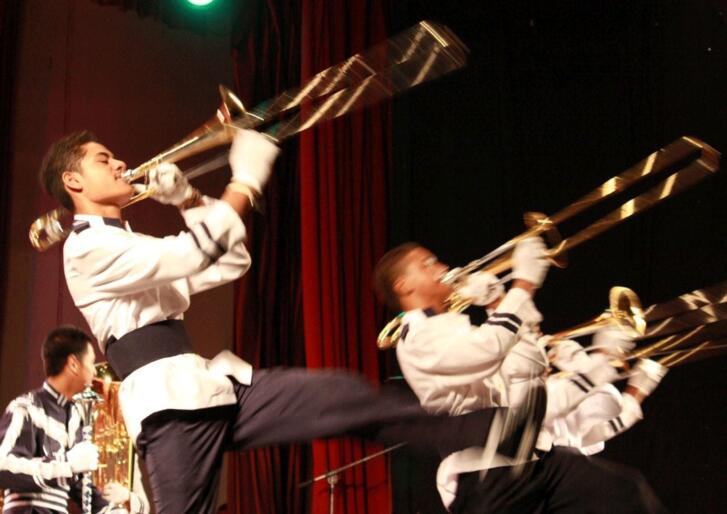
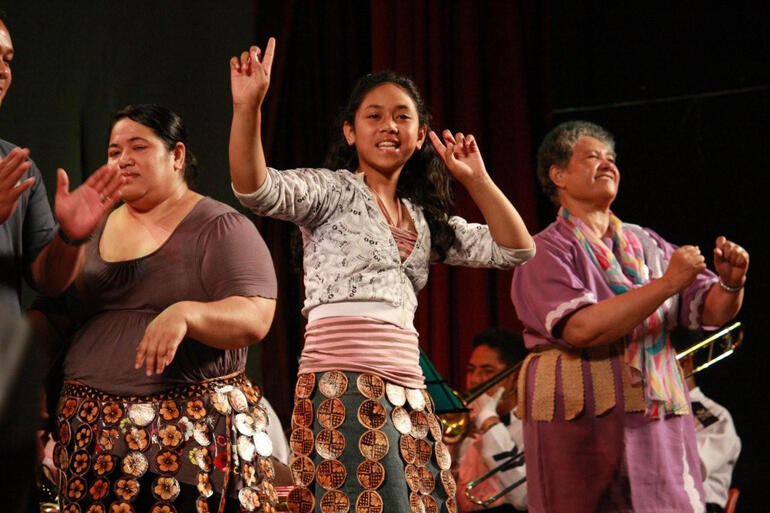
There were the four days of tables groaning with food, yes – but also spiritual and cultural feasts too, with hours of high spirited and excellent entertainment, laid on by the archdeaconries and episcopal units within the Diocese – to say nothing of the superb St Andrews’ College of Tonga Brass Band.
The centenary celebrations culminated in a moving, standing-room-only Eucharist Service last Sunday morning at Suva’s Holy Trinity Cathedral.
Back in New Zealand, Archbishop David has reflected on what he’d sampled in Suva:
“The thing that got me,” he said, “was that if you read the story of the diocese, you can see that it’s grown from such fragile, inconspicuous beginnings, and has had to overcome so many challenges – such small islands, spread over millions of kilometres of ocean, with such limited resources – to produce an extraordinary result.
“They’ve had to adapt and recreate themselves several times over. They can trace their beginnings to 1870 when William Floyd (the first Anglican priest in Polynesia) is sent from Melbourne (hence Archbishop Freier’s visit) on a mission to the planters and traders in Levuka – the old, wild, capital.
“Then the Anglican presence becomes a mission to the Indian people, and then to the Solomon Islanders, who had been blackbirded to work on the plantations.
"Of course as the influence of the Diocese of Polynesia grew, Anglican Christianity also involved indigenous Fijians, as well as Tongans and Samoans – as we saw in Suva over those four days.
“So now the Diocese of Polynesia is this South Pacific phenomenon that brings together all that diversity and plurality – and I think that’s extraordinary, a real artform.
“Inevitably, with such vast tracts of geography involved, there are traditional rivalries, different interests, and national agendas – and yet somehow they’ve achieved this multi-coloured, multicultural, multilingual phenomenon.”
Archbishop David says the diocese has borne much fruit – nowadays, it has 60 stipended clergy, supports nine schools, two theological colleges – and it hosts the Community of the Sacred Name, which runs St Christopher’s Home in Naulu, near Suva, and helps out at St Andrews’ High School in Tonga.
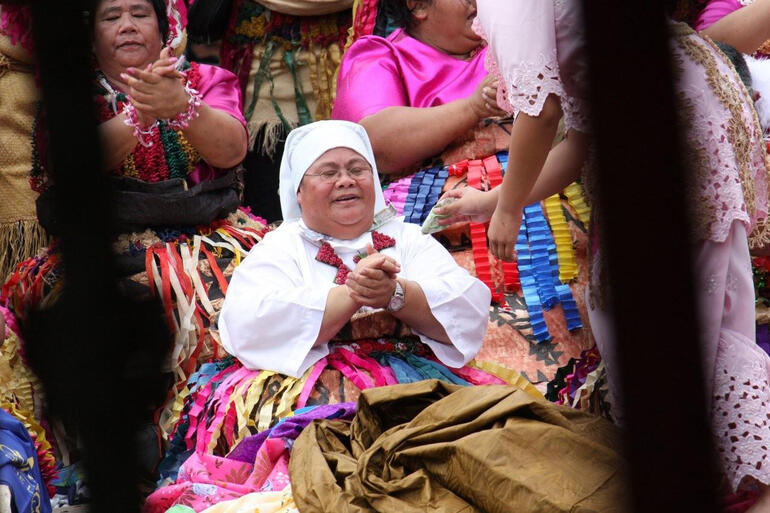
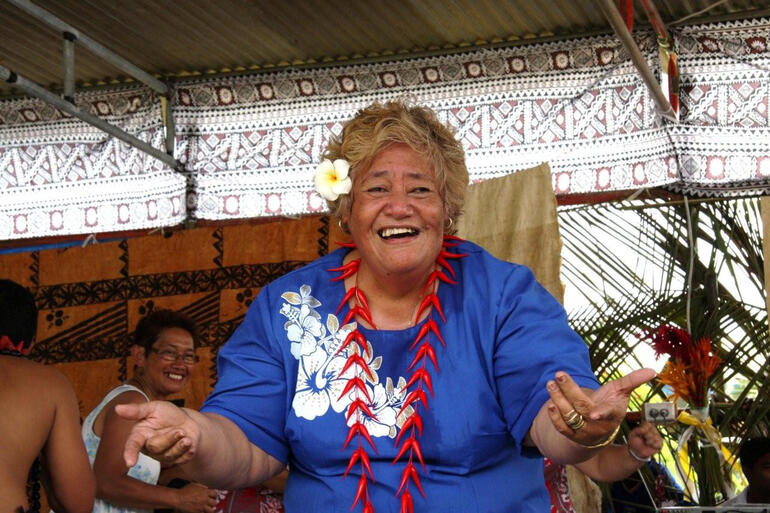
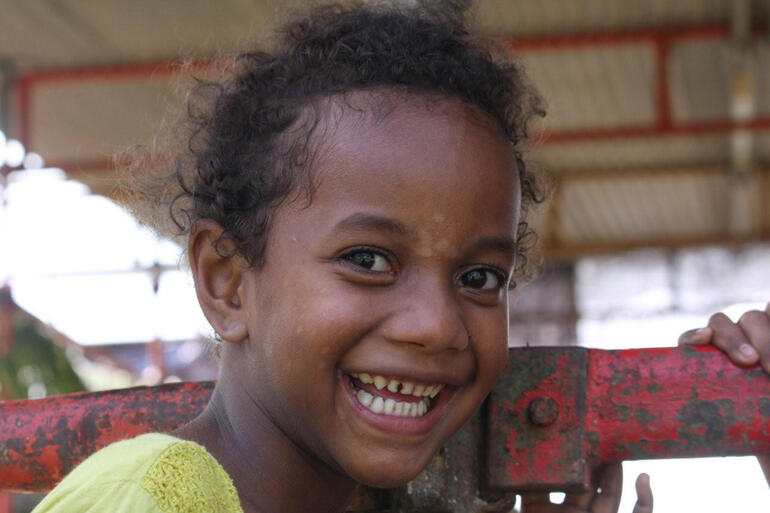
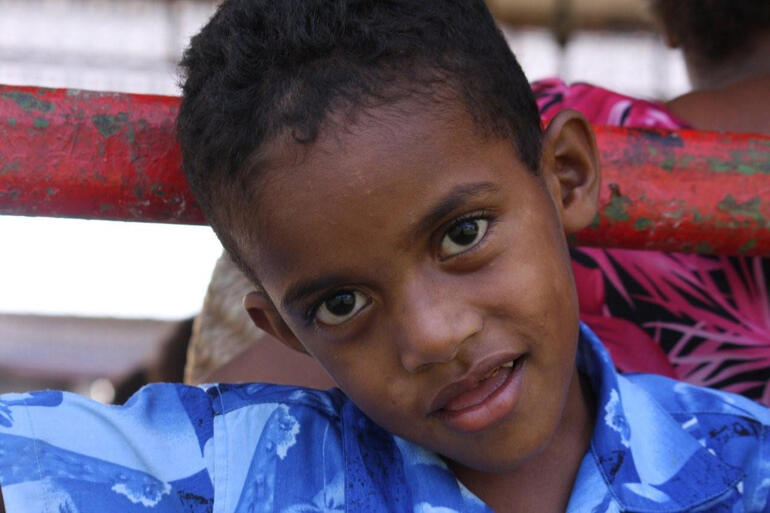
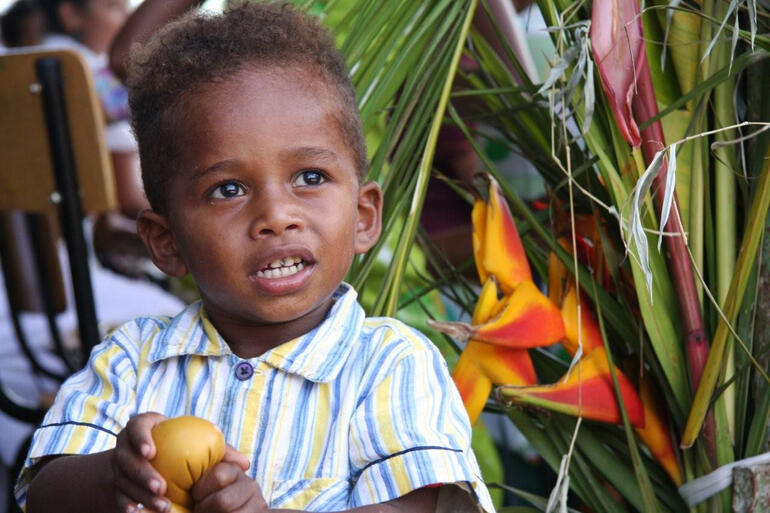
We’ve attached few photos taken during those four remarkable days – and we’ll be publishing more in the next issue of Taonga magazine.







Comments
Log in or create a user account to comment.