

A traditionalist Anglican group has voiced regret after an Anglo-Catholic bishop said he would convert to Rome.
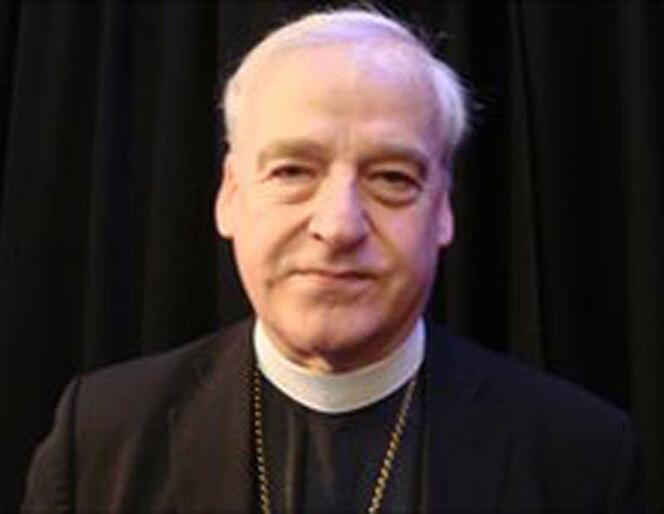
The Bishop of Fulham, John Broadhurst, has become the fourth Anglican bishop to make the announcement.
He intends joining the Roman Catholic Church because of his opposition to the way the Church of England plans to introduce women bishops.
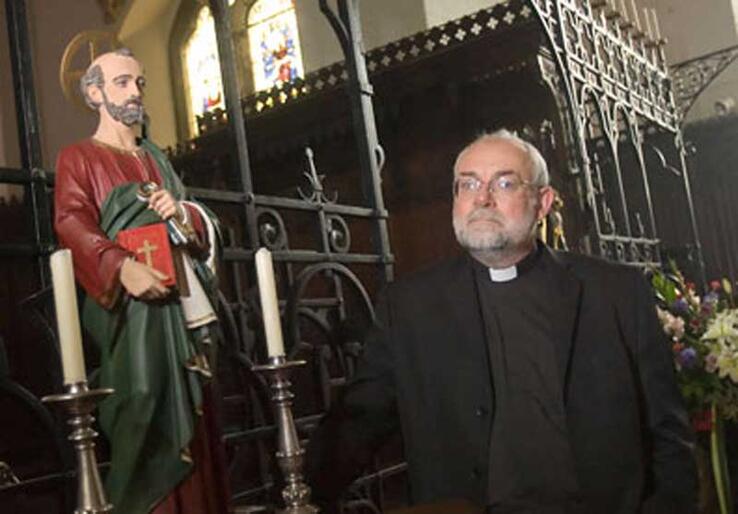
Meanwhile, a Kent Anglican congregation has become the first to take up the Pope's offer to convert to Catholicism.
The Pope created a special enclave in the Roman Catholic Church for Anglicans unhappy with their church's decision to let women become bishops.
The Catholic Group on the CofE's General Synod said it deeply regretted the decision by Bishop Broadhurst.
The bishop, who is the leader of the traditionalist organisation Forward in Faith, is the most significant Anglican so far to say he will convert to Catholicism.
He is currently the "flying bishop" charged with looking after traditionalist parishes opposed to women priests and bishops in the dioceses of London, Southwark and Rochester.
The Catholic Group said it was determined to stay in the Church of England and fight for a better deal for Anglicans who did not want to serve under women bishops.
BBC religious affairs correspondent Robert Pigott says it was thought to be priests rather than whole congregations who would drive to convert to Roman Catholicism. It is priests who would be most directly exposed to serving under a woman bishop.
Although this early decision by St Peter's has taken observers somewhat by surprise, it shouldn't be seen as evidence of a flood of parishes or even priests leaving for Rome.
They are almost bound to have to give up attractive churches such as St Peter's and spend some time worshipping in the "wilderness" of borrowed or rented accommodation, and there is a strong element among traditionalists on the catholic wing of the Church of England who want to stay and fight for increased "protection" from serving under a women bishop.
They claim results of the recent elections to the CofE synod give them hope that they can block or change the legislation, although liberal Anglicans dispute this.
The group's statement seems intended to counter any encouragement Bishop Broadhurst's announcement might give to traditionalist clergy to take up Pope Benedict's offer of a privileged place in the Roman Catholic Church.
Many traditionalist clergy are unhappy with the level of protection so far offered to them from serving under a woman bishop, but might hesitate in the face of a decision likely to cause them considerable personal hardship.









Comments
Log in or create a user account to comment.