
Let’s be frank: as a name, ‘Transitional Cathedral’ just doesn’t have the ring to it that ‘Cardboard Cathedral’ had.
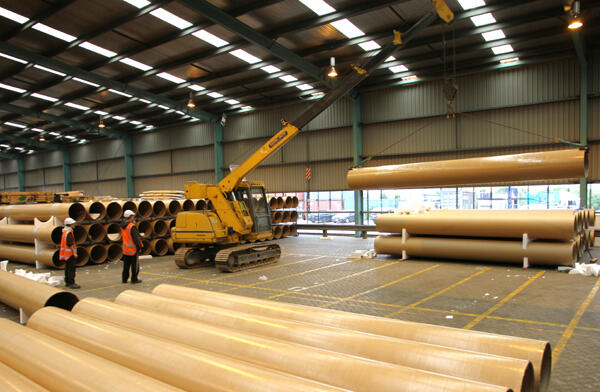
And if you were to visit the mammoth Riccarton railway warehouse where parts of the transitional cathedral are being preassembled, you’d be tempted to think that they jettisoned that ‘cardboard’ tag too soon.
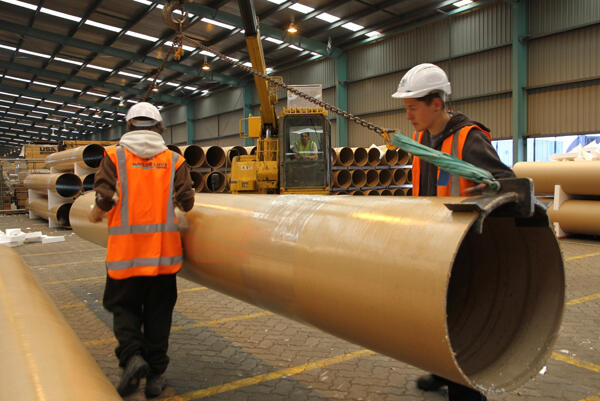
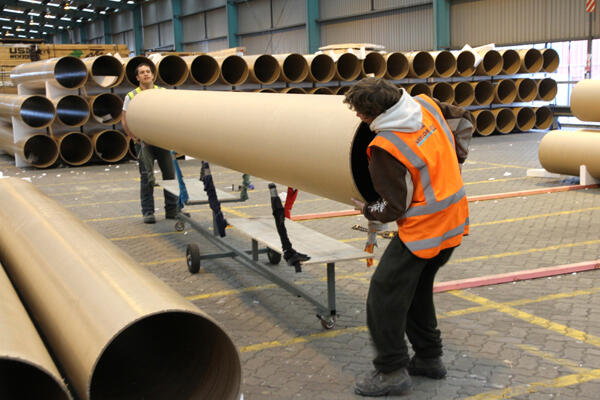
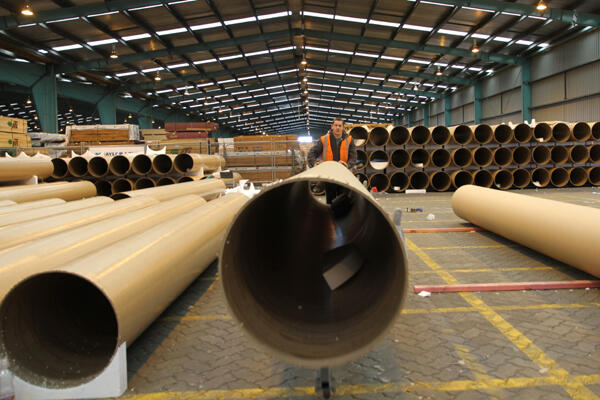
Because in that Riccarton warehouse you’d see rank upon serried rank of cardboard tubes – there’ll be 360 of them, eventually – being prepared for the next stage in a kitset-type assembly process.
The first stage in that process is painting.
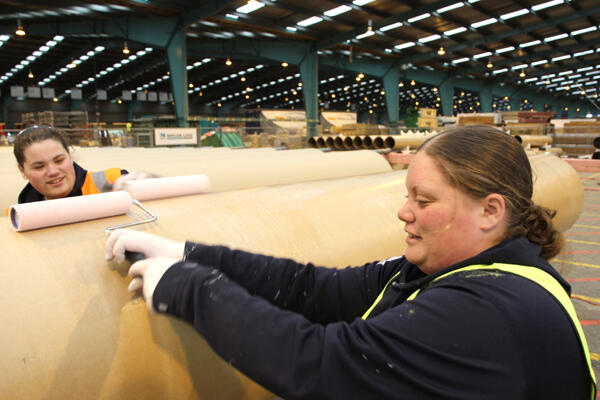
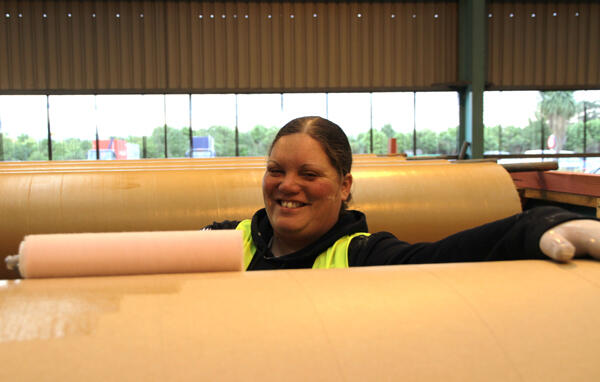
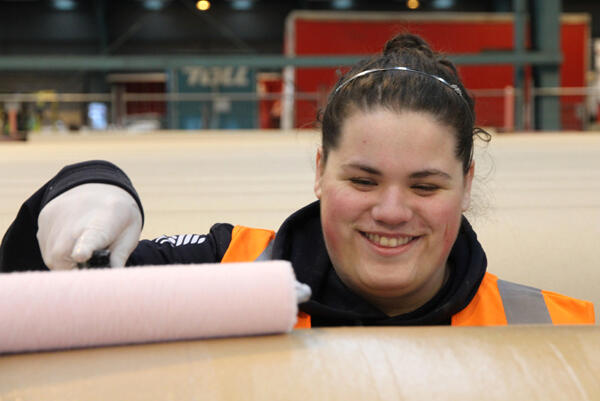
Long steel poles are threaded through the tubes, and the ends of those poles are hoisted onto parallel wooden rails so the 6m-wide tubes can be rolled along, clear of the ground, and painted by volunteers such as Karla Genefaas and Georgia Brott, who are both Christchurch Polytech students.
Once the volunteers' paintwork has dried, those tubes are then slung by crane on to racks to await the next stage in the assembly process.
But maybe ‘transitional cathedral’ is the right term, after all.
Because while the cardboard tubes are a signature of Shigeru Ban’s style – he’s used them in emergency architecture at disaster zones around the world – here, in Christchurch, that technique has had to be modified.
The completed cathedral – which will seat 700 people – is the largest temporary structure the renowned Japanese architect has ever built.
And the locally-made cardboard tubes can’t be manufactured with thick enough walls to bear the loads such a big structure will require.
The solution?
Thread those tubes onto laminated timber beams, which will do the lion’s share of the structural work, while allowing Shigeru Ban’s signature cardboard tube design aesthetic still to be expressed in Christchurch’s transitional cathedral.
By the end of this October, the first of those assembled tubes and beams will be ready to transported to the Latimer Square site, where they’ll craned into place, and bolted to a steel ridge beam at the apex of the A frame design, and to steel plates at ground level.
The transitional cathedral, which is expected to cost $5.3 million (plus fees) is expected to be ready for worship by March next year.


Comments
Log in or create a user account to comment.