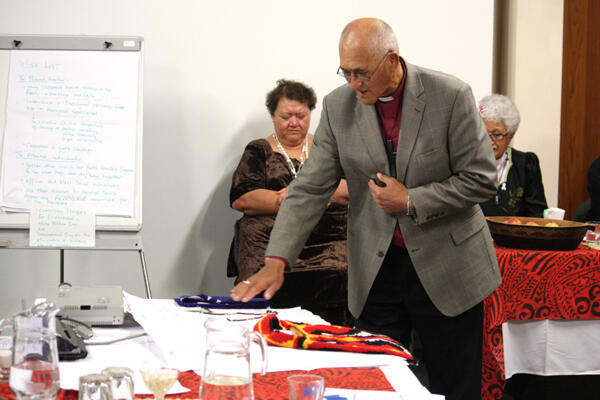
If guts, experience and skill are what brings success, we may have reached a tipping point on the way to turning back “the sheer, bloody awfulness”[1] of domestic violence in our part of the world.
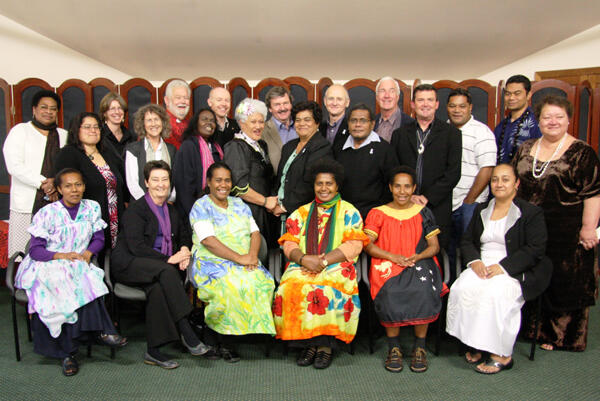
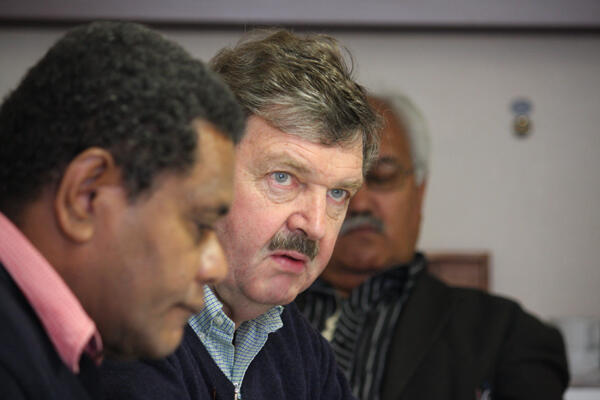
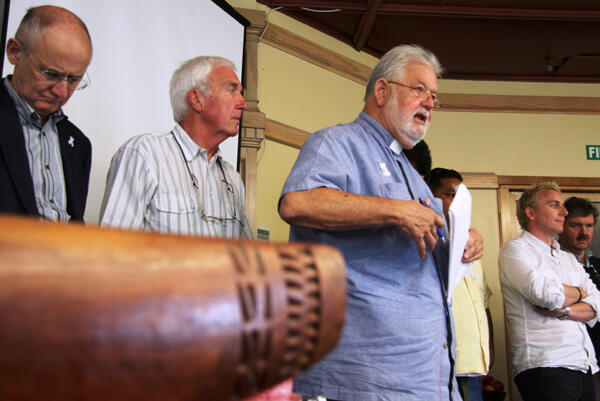
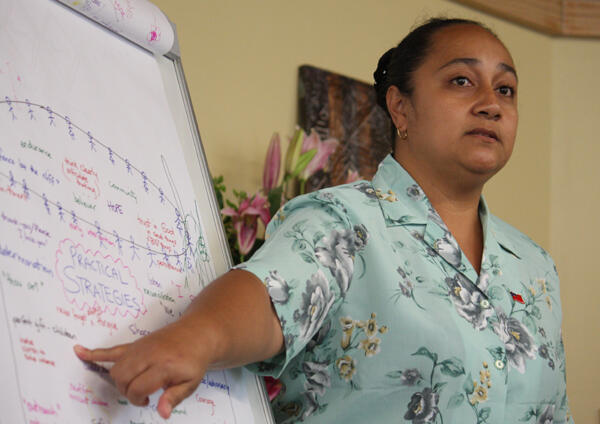
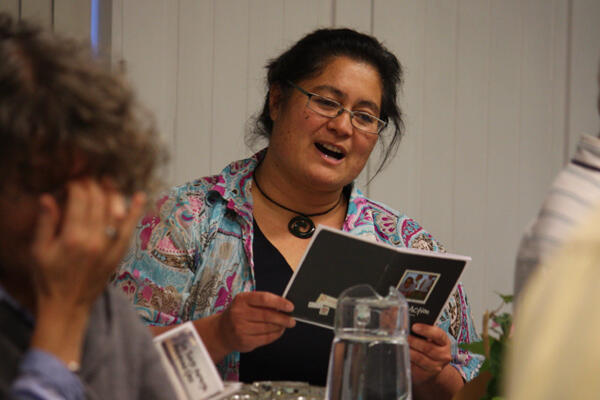
Certainly, the 25 delegates to the International Anglican Family Network (IAFN) Oceania Consultation on Violence and the Family are determined that their just-completed gathering in Lower Hutt will be remembered as that tipping point.
They want their five-day meeting to be remembered as the time when the desire to end domestic violence, first in the church, and then in wider communities throughout the South Pacific, became an irresistible movement.
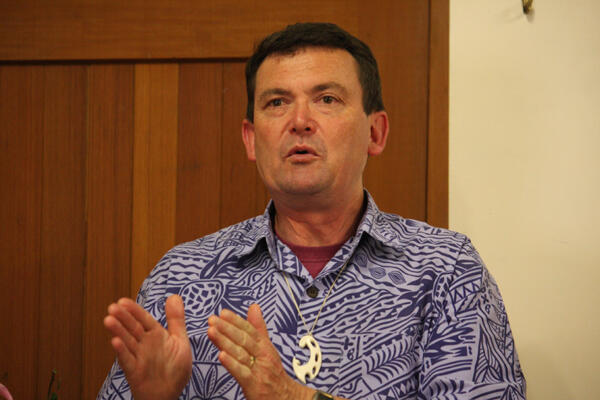
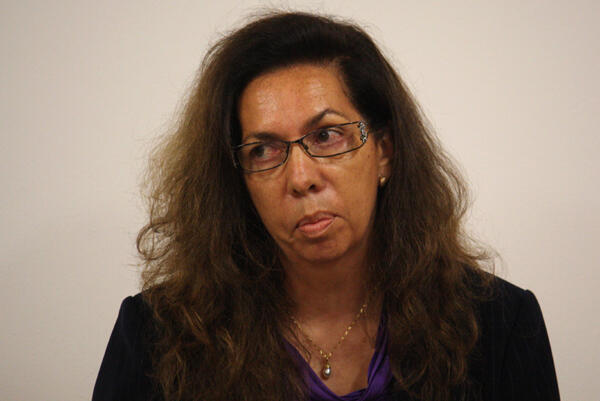
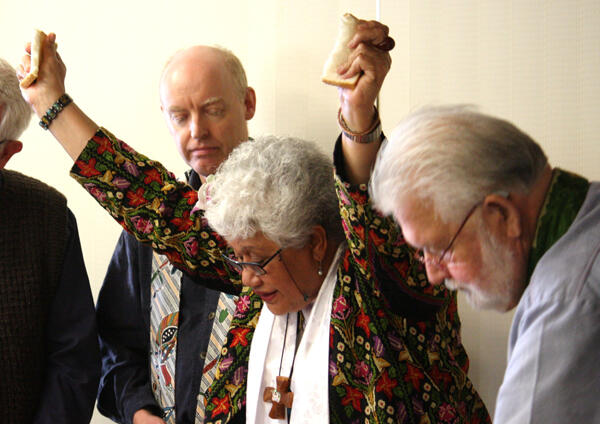
The IAFN delegates – from Papua New Guinea; Vanuatu; the Solomons, Hawaii; Fiji; Samoa, Tonga, Australia and Aotearoa New Zealand (along with three Family Network reps from the UK) – are returning to their homes now, armed with plans and timetables to achieve that in their countries.
In the Diocese of Polynesia, for example, three of its most senior figures have committed themselves to developing non-violence training programmes for clergy, laity, youth and Sunday schools by the end of the year – with pilot programmes underway in January, ready for a roll out in the churches in February.
And they’ve already got a key ally on side.
Archbishop Winston Halapua, the new bishop of their diocese, has declared that from now he’ll only grant licenses to clergy and lay workers who commit themselves to persistently and consistently spreading the message that domestic violence is unacceptable.
Where the New Zealand dioceses are concerned, this much is already clear:
- Charles Waldegrave (the co-leader of both the consultation and its hosts The Family Centre) Richard Sawrey (a Wellington clinical psychologist) and Anthony Dancer (the church’s Social Justice Commissioner) will be seeking a commitment from their archbishops and bishops to pressing ahead with a national stopping violence strategy.
- In that strategy they’ll be focusing on getting the no-violence message embedded into training for ministry, at every level – into the training for clergy through to Bible studies to be used in parishes.
- And they’ll be working up a system to measure their effectiveness. With goals such as having 50 percent of the bishops approving the delivery of non-violence programmes in their dioceses in the first year.
Where Tikanga Maori is concerned, the commitments and goals are similar. And Hera Clark (long-time Maori woman and children’s advocate) and Huia Swann (high school counsellor and therapist) told the consultation they’re already thinking of suitable slogans for their campaign.
In 1975, for example, when Whina Cooper led the Land March to protest the continued loss of Maori land, marchers chanted the slogan: “Not one more acre!”
Where this kaupapa is concerned, the slogan could be: “Not one more death!”
The Communion’s Primates will be hearing from the consultation, too.
It developed a “wish list” that includes having the Primates make a strong statement against family violence “in penitence and faith – and affirming the resolved and planned actions from the Consultation.”
#
The IAFN consultation was served with a grim reminder that domestic violence – the violence that rears its head and strikes in homes and communities – isn’t something that just afflicts women and children who don’t go to Anglican churches.
In plain language: the wives and children of some clergy are beaten by husbands and fathers who – as Dr Hone Kaa put it – lower their raised hands on Sundays to celebrate the Eucharist, and to bless people.
How do we know this?
Because the spouses of some bishops at the 2008 Lambeth Conference said so.
Dr Jenny Te Paa told the IAFN gathering that those spouses had spoken of “the code of fear” that these victims are forced to live by, and of the silence on the part of their abusers.
That talk among spouses led to the convening of a special session at Lambeth 2008 – the only Lambeth session where the men and women gathered together – to confront the issue of the abuse of power.
Dr Te Paa had led that session. “Any abuse of power,” she said then, “which manifests itself as the despicable and utterly unacceptable practice of violence against women, against girls, against those of us created by God as equally good, equally worthy, equally capable is an evil perpetuated against us simply because of who we are.”
That was a session, and a message, that apparently wasn’t universally acclaimed. Because a handful of the bishops walked out.
#
The IAFN will shortly publish a report of the Oceania consultation on its website: http://iafn.anglicancommunion.org/index.cfm.
That report will sketch the process followed at Lower Hutt, and it'll stress the value of bringing forward the best of cultural traditions, alongside Christian values, as a way of stopping violence in a specific part of the world.
The reports from the two previous consultations – in Kenya in 2003, and Korea in 2007 – are also available there.
Footnote: "Guts, experience and skill"? The Advent issue of Taonga magazine – which will be published at the end of the month – will include stories from some of the consultation delegates who've triumphed over the pain and loss that violence brings, and gone on to become major contributors.
[1] A quote from Ian Sparks, who is on the committee of the IAFN, and who has helped organise each of the three IAFN consultations on Violence and the Family (in Kenya, Korea and New Zealand). Ian formerly led The Children’s Society in the UK.


Comments
Log in or create a user account to comment.