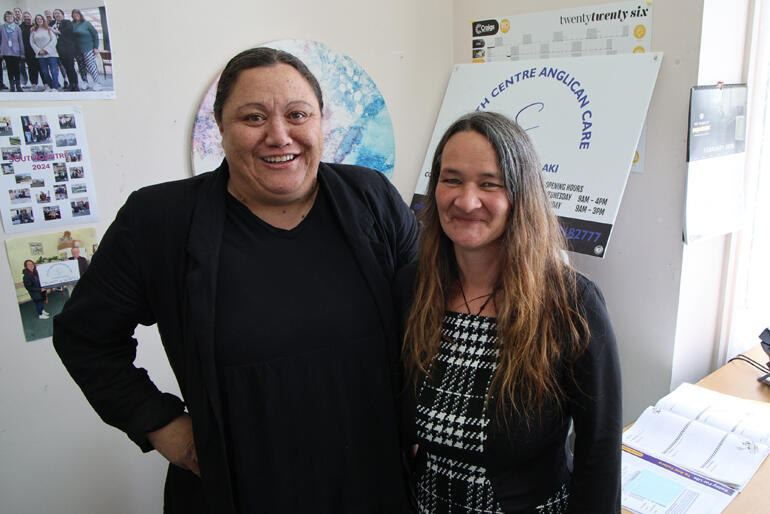
Most New Zealanders don't want to think about meth addiction, says MaryAnn Kuiti, Manager of Invercargill's Anglican social services agency, South Centre - Te Whare Manaaki. But helping adults shift away from methanphetamine use, also known as P, crack or speed, is a vital part of her team's work to support holistic wellbeing for Invercargill whānau.
"Society doesn't want to acknowledge these problems. But Invercargill actually has New Zealand's third highest evidence of meth levels in wastewater." reports MaryAnn.
"So it's here whether we want to know about it or not."
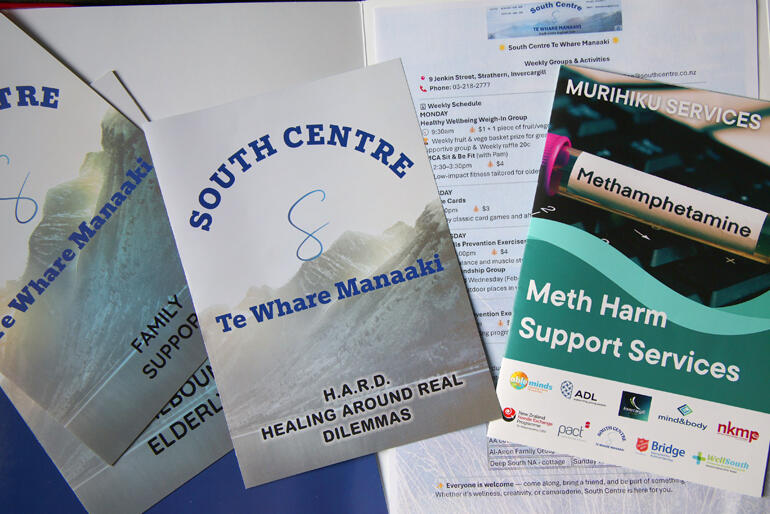
'HARD' is South Centre's meth addiction programme, which is an acronym for "Healing Around Real Dilemmas" led by kaimahi trained in addiction recovery peer support – who have recovered from meth addiction themselves.
'HARD" is just one service offered by Te Whare Manaaki, whose 40-year history of Anglican social services still provides holistic care to the community through family support, Triple 'P' positive parenting, and programmes countering social isolation for older people living alone.
Undergirded by the Addiction Practitioners’ Association Aotearoa New Zealand (Dapaanz) guidelines and code of ethics, and informed by local Narcotics Anonymous members' insights on their experience of recovery, South Centre has shaped the HARD programme to accompany people looking to make a change.
"The programme is called HARD, because it can be really hard to get off this drug once people get on it."
"And it's those hard conversations and that hard work that's needed for people to make positive changes." reports MaryAnn Kuiti.
"People might think, 'Why don't they just stop?' But although they might want to, there are so many barriers preventing people from taking that step."
Leaving the drug behind may be hard, but staying with it is a dangerous option. There's not only significant damage to health, but buying and selling the drug connects people with organised crime, potentially exposing both users and their whānau to the impact of serious and violent crimes.
Sarah Hosie-Leaf from the New Zealand Police's 'Resilience to Organised Crime in Communities' (ROCC) programme, says that Invercargill is a key focus within the Southern District. Alongside enforcement action, they partner with the community to combat domestic organised crime through initiatives like South Centre's HARD programme.
"ROCC proudly supports the breadth of providers across the ROCC community network and acknowledges the important role South Centre continues to play in supporting whānau and strengthening safer, more resilient communities." she said.
The HARD programme peer support includes regular home visits for adults using meth who want to work towards a life without the drug, using holistic health approaches that aim to tackle the mental, physical, spiritual, educational, and financial drivers that lead people to stay using.
MaryAnn says one real concern when people quit is the social isolation. Especially when families, gangs or wider social networks use meth as their social norm.
For others, smoking meth can mask undiagnosed medical conditions, preventing them from feeling pain, anxiety or depression caused by underlying physical or mental health issues, including unresolved trauma.
One surprising pull factor is the financial benefit people look for in selling meth.
"It's a hard one to combat." says MaryAnn. "While they are selling, there's money. But when they are selling, they are using too."
"So we ask, you've had all this money, but what have you got to show for it? They've got nothing to show for it. No house, no savings."
With 38 people on her support list thus far, Tuahine Taylor has worked for South Centre's HARD programme for the last 18 months.
Born in Murihiku, her Ngāti Porou whakapapa links her back to Ruatoria, and she brings her Christian faith into everything she does. As a trained peer support worker and doing ongoing study in addiction counselling, Tuahine works alongside people referred to the service through various routes: doctors, police, counsellors, addiction support agencies, whānau members, or ideally when someone makes their own decision to join.
Drawing on Sir Mason Durie's Te Whare Tapa Whā model of holistic wellbeing, and with Te Whare Manaaki's Anglican kaupapa behind her, Tuahine asks each family if she can share karakia, and once she has their permission, that offer to pray is most often welcome.
"I always like to start off with karakia, and I like to hold hands as we say it, because I feel it settles that space, it brings us in."
"And if we are talking and I feel uncomfortable, or I feel that they're uncomfortable, or they're a bit whakamā, ...(feeling shame) I will stop and say a karakia to bring that calm down again."
MaryAnn says a key aspect of the HARD programme is that it doesn't set anyone up for failure. That's why they focus on reduction goals, rather than demanding abstinence from day one.
"It's not a tick-box exercise where we're saying "You get off the drugs or you're out," which a lot of people have heard before." says MaryAnn.
Tuahine herself was caught up in meth addiction for seven years. That followed her late husband's prosecution for meth dealing and his sudden death. So she knows how hard it is leave meth behind, and she knows what setbacks can derail someone finding their way out.
"Coming in as a peer supporter with that lived experience of addiction, what we bring is that hope of recovery – that we do recover... But it takes time."
Tuahine says its important for her that she's supporting people with their whole wellbeing, not just looking at them as their addiction.
"There's so much more going on in their lives."
"So if they smoke every day, the plan they decide might be smoking less grams, or to start by smoking one day a week less, or only smoke after lunchtime."
MaryAnn supports Tuahine's approach, which has already seen real success, with some of the people she's walking alongside managing months off the drug.
"Its all about celebrating those wee steps, those wee wins, because that's what drives them to go for more later on."
Te Whare Manaaki - South Centre is a ministry of the Anglican Diocese of Dunedin and has had good support from the Invercargill Anglican churches over the years.
Archdeacon of Invercargill Ven Liz Cheyne (who as it happens was Tuahine's teacher at Southland Girls) pops by with pastoral support, while regular boxes of kai arrive from Holy Trinity and All Saints' parishes. Clergy from Invercargill's Aperahama Māori Anglican Church have long-since supported Te Whare Manaaki - South Centre, including Murihiku-based Mihinare priest the Rev Miki Tamihana who served on the South Centre Board for many years up to 2021.
Today South Centre is looking for a new addictions counsellor as the service expands.
Archdeacon Liz Cheyne believes the team at the South Centre are uniquely positioned to do this work.
"The reality is the people I worship with have no idea about these things, so how would we go about doing anything to help?"
"It seems to me if we have people like Tuahine with the training and life experience to do these things better than we could, why don't we just support them?"
Around Aotearoa New Zealand a number of Anglican churches and social services support people coming out of addiction, while recently Pacific Conference of Churches' members have committed to tackling drug addiction in their communities.
Many Anglican churches around the motu host Narcotics Anonymous groups and provide referrals to frontline services for individuals struggling with addiction in their churches and communities. Both Auckland and Christchurch City Missions have residential addiction detox units and Auckland, Wellington and Christchurch City Missions run peer support services for people withdrawing from alcohol and drug addictions at home.
To support South Centre Te Whare Manaaki contact them for info on how to donate on: southcentre(at)xtra.co.nz


Comments
Log in or create a user account to comment.